
Injury Insights
Monitoring

They Found Your Therapy Records. Now What?
The key to defeating this defense is demonstrating the difference between before and after, and that's where some attorneys fall short. Not because they're bad lawyers, but because they don't have the clinical training to interpret mental health records, understand diagnostic criteria, or explain the difference between a managed pre-existing condition and a new trauma-related injury. At Sweeton Injury Law, that's exactly what we do. I’ve spent many years as a clinical psychologist specializing in trauma. I know how to read those records, contextualize them, and turn them from the defense's weapon into your strongest evidence.
Brain Injury
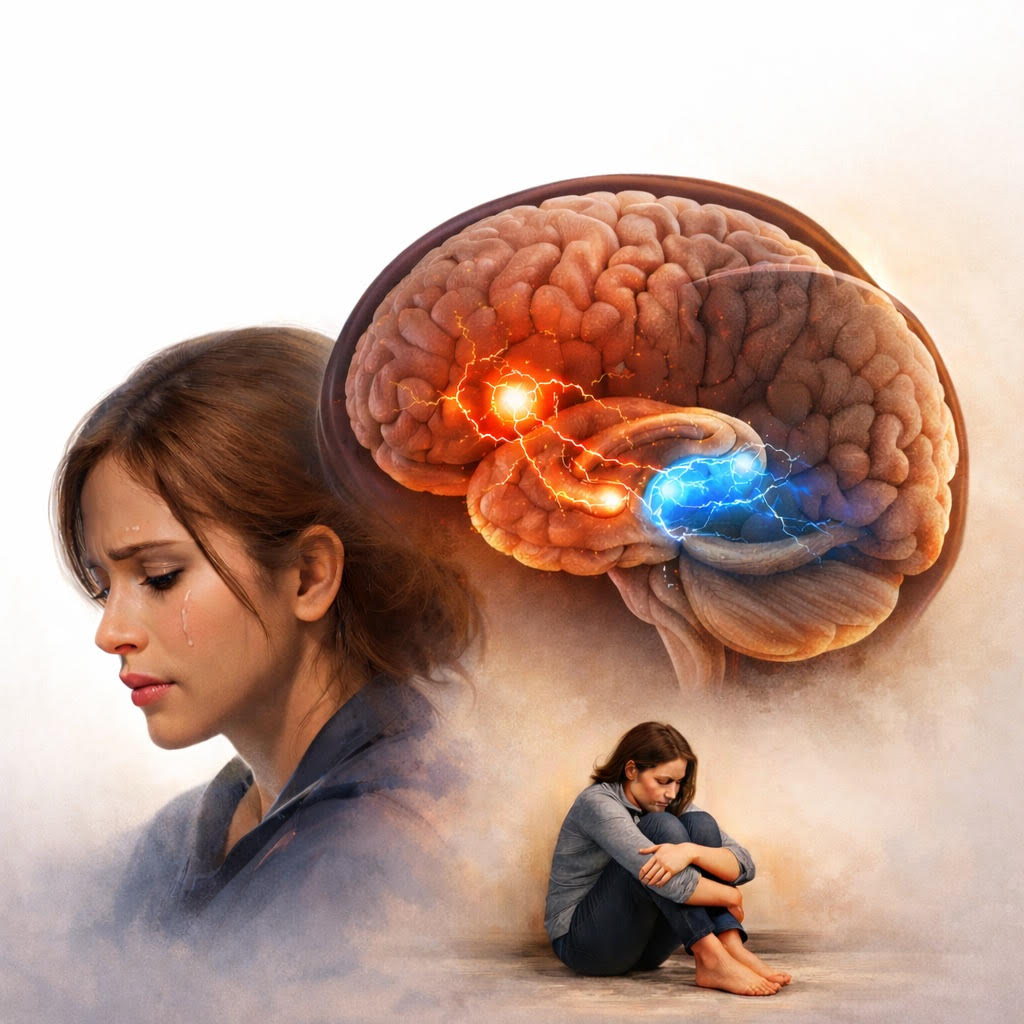
The Neuroscience of Sexual Assault: Why Your Brain's Response to Trauma Is Evidence, Not Weakness
If you are a survivor of sexual assault, there is something I need you to understand before you read another word: your brain did exactly what it was supposed to do. The nightmares, the flashbacks, the way your body freezes when something reminds you of what happened. None of that is a sign that something is wrong with you. It is a sign that something was done to you, and your brain recorded every bit of it.
Brain Injury

When an Injury Turns Your Life Upside Down: How Sweeton Injury Law Fights for Justice and Healing
From your first free consultation through the resolution of your case, you’ll be treated with respect, transparency, and care. We explain your options in plain language, keep you informed at every stage, and build a strategy that reflects your goals and your reality, not a one-size-fits-all template.You should never feel like you’re chasing your lawyer or wondering whether your case matters. At Sweeton Injury Law, your case matters because you matter.
Brain Injury

Traumatic Brain Injury: What Happens to Your Brain, Why Symptoms Linger, and How a Lawyer Proves It
After a traumatic event, the brain’s alarm system can stay stuck “on.” Both TBI and PTSD can produce sleep problems, concentration issues, irritability, and anxiety. Distinguishing them requires careful assessment, but for many people, both are present and both deserve treatment and compensation.
Brain Injury
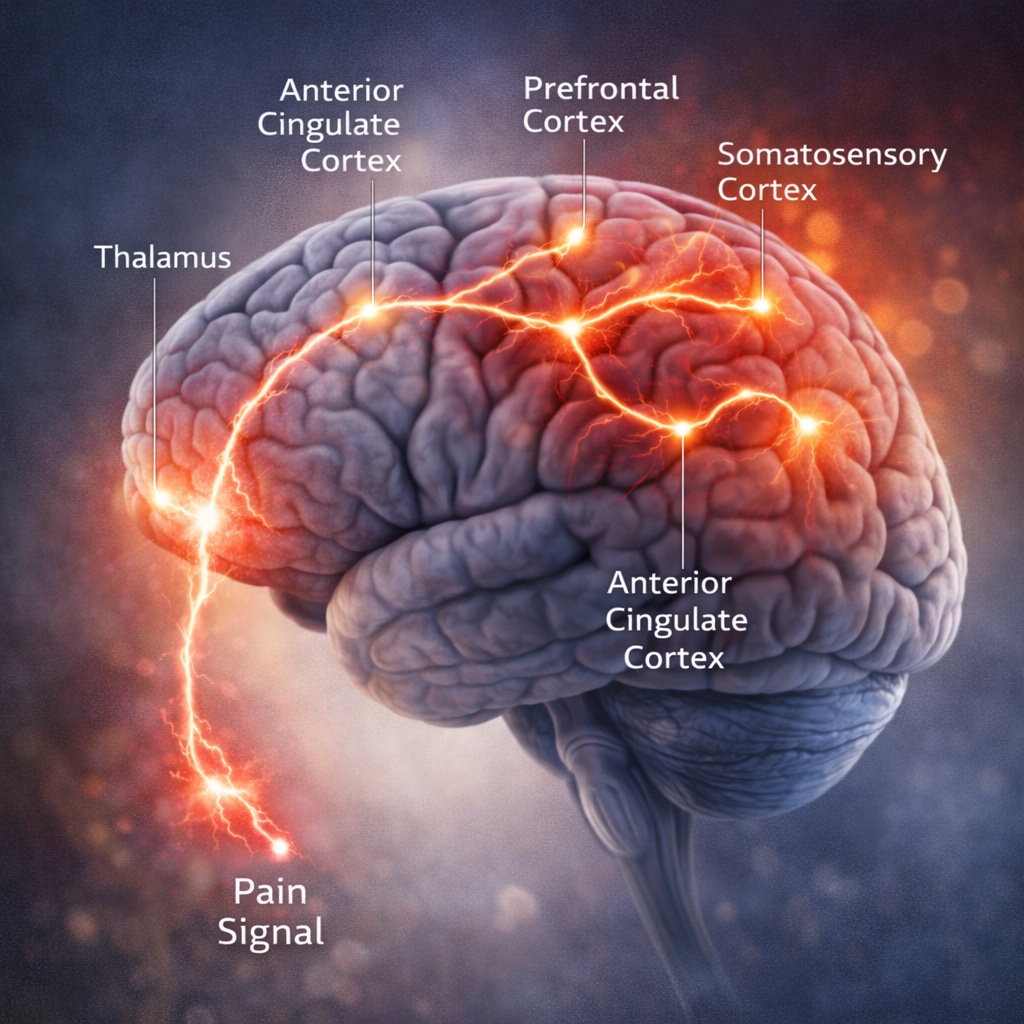
PTSD, Pain, and the Brain: “All in Your Head” Isn’t an Insult. It’s Anatomy.
PTSD isn’t a “soft” injury. It produces measurable brain and body changes and engages the same pain network that constructs physical suffering. The overlap with physical pain explains why symptoms can feel automatic and consuming.
Brain Injury
.jpg)
PTSD as Bodily Injury: What That Means for Your Case
PTSD is not just emotional distress. It is a real, measurable injury to the brain and body. Modern neuroscience now shows what the law has been slow to recognize: trauma physically changes how the brain and nervous system function. That matters for your case, your recovery, and the compensation you deserve.


.svg)
.svg)
.svg)